


ASSOCIATED PRESS
Jaguar TCS Racing Wins Formula E Teams’ World Championship as Focus Turns to GEN4
19 Aug 2026

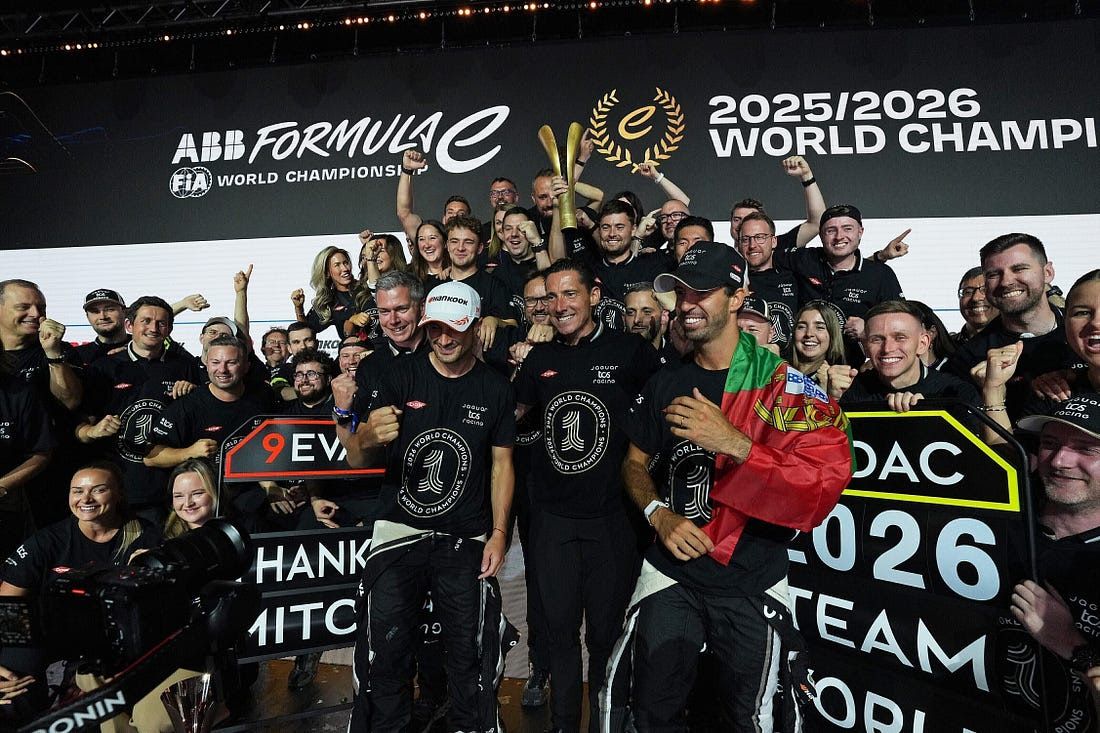
Jaguar TCS Racing closed the Formula E season as Teams’ World Champions, while the programme continues to serve as a testing ground for electric vehicle technology and software development.
London, UK — August 2026 — Jaguar TCS Racing has ended the Formula E season as Teams’ World Champions, capping a campaign that also highlighted the wider role electric motorsport plays in Jaguar’s technology strategy.
The London finale offered a close look at the team’s operations, from garage preparation and race management to technical development and the transfer of racing knowledge into road cars.
For Jaguar, Formula E is not only a competition platform. It is also a high-pressure environment for developing electric performance, energy management and software.
Formula E as a Technology Testbed
One of the most important themes around Jaguar’s Formula E programme is the speed at which racing developments can influence wider vehicle engineering.
Jaguar TCS Racing’s Head of Technical Integration, Jack Lambert, highlighted the growing importance of software in that process.
Unlike traditional hardware development, software improvements can potentially move from a racing programme into road-car systems without waiting for an entirely new generation of physical components.
That makes Formula E particularly relevant to an automotive industry increasingly shaped by software-defined vehicles and electric powertrains.
The race team can test ideas under extreme conditions, study how the car manages energy and performance, and feed useful findings back into the wider Jaguar Land Rover business.
Inside the Jaguar TCS Racing Operation
The London race weekend also provided insight into how the team prepares for competition.
A garage tour led by Race Operations Executive Mark Godden showed the level of preparation required before the cars reach the circuit.
Team Principal Ian James later discussed the wider challenge of managing the racing operation, including the role of partners such as TCS.
Reserve driver and 2022 Formula E World Champion Stoffel Vandoorne provided the driver’s perspective, explaining how the car behaves during a Formula E race and the demands placed on drivers through energy management, strategy and changing track conditions.
The London E-Prix is particularly distinctive because the ExCeL circuit moves between indoor and outdoor sections.
That creates different surfaces and conditions within a single lap, adding another layer of complexity for teams and drivers.
Motorsport Connects Jaguar’s Heritage With Its Electric Future
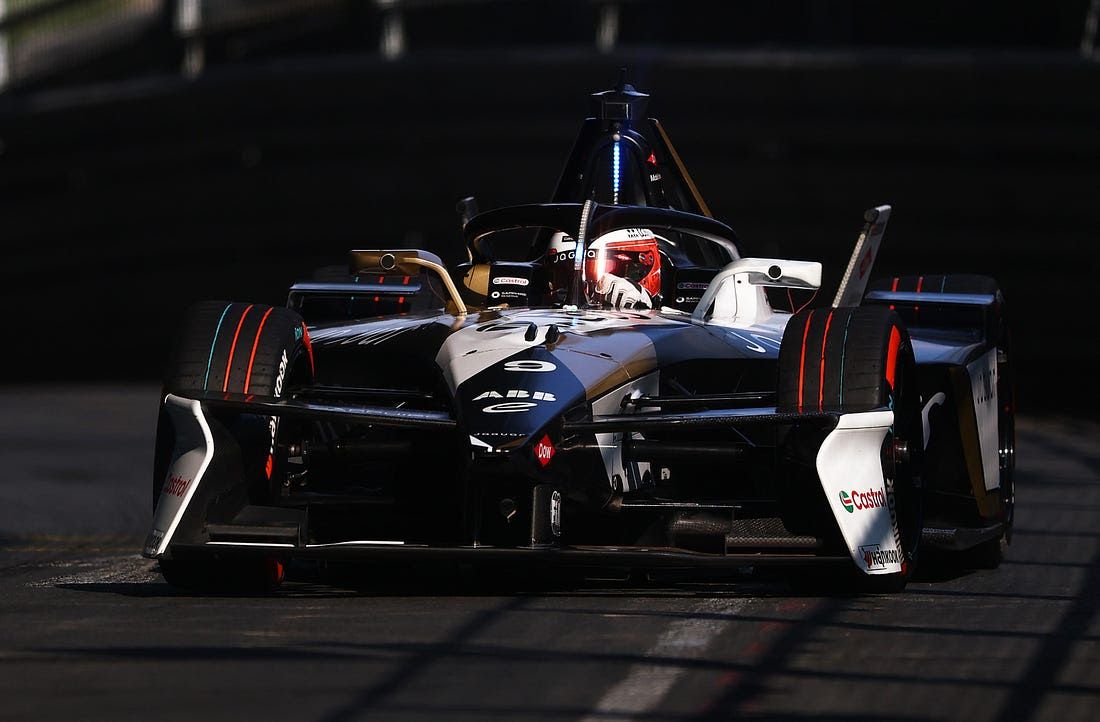
Jaguar faces an unusual challenge as it develops its electric future.
It is one of Britain’s most recognisable automotive brands, with decades of motorsport and performance heritage. At the same time, the company is moving deeper into an era defined by electrification, software and new vehicle technologies.
Formula E creates a bridge between those two identities.
The championship allows Jaguar to remain connected to competitive motorsport while developing technologies relevant to the next generation of electric vehicles.
That connection is likely to become even more important as Formula E moves into its next technical phase.
GEN4 Promises a Major Performance Step
Attention is already turning toward the GEN4 era of Formula E.
The next generation of cars is expected to deliver substantially more power, all-wheel drive and significantly faster acceleration.
Manufacturers will also receive greater technical freedom under the new regulations.
For Jaguar, that creates new opportunities to develop electric powertrain, energy-management and software technologies within a competitive environment.
The importance goes beyond outright speed.
More technical freedom gives manufacturers greater scope to differentiate their engineering approaches. That could make the technology-development relationship between Formula E and production vehicles even more valuable.
Racing Success Remains the Priority
Despite the wider technology and branding benefits, Jaguar TCS Racing’s immediate goal remains straightforward: winning races and championships.
The team finished the London weekend celebrating the Formula E Teams’ World Championship, providing a strong conclusion to the season.
That success also reinforces why manufacturers continue to invest in motorsport.
Formula E can provide research, software development, brand positioning and technology transfer.
But those benefits are strengthened when the racing programme itself succeeds.
For Jaguar TCS Racing, the championship represents both a sporting achievement and another step in using electric motorsport to support the company’s wider technology ambitions.
About Jaguar TCS Racing
Jaguar TCS Racing competes in the ABB FIA Formula E World Championship.
The programme combines high-performance electric motorsport with research and development relevant to Jaguar Land Rover’s wider electric vehicle strategy.
The team works with technology partner Tata Consultancy Services (TCS) across areas including digital technology, data and engineering.


